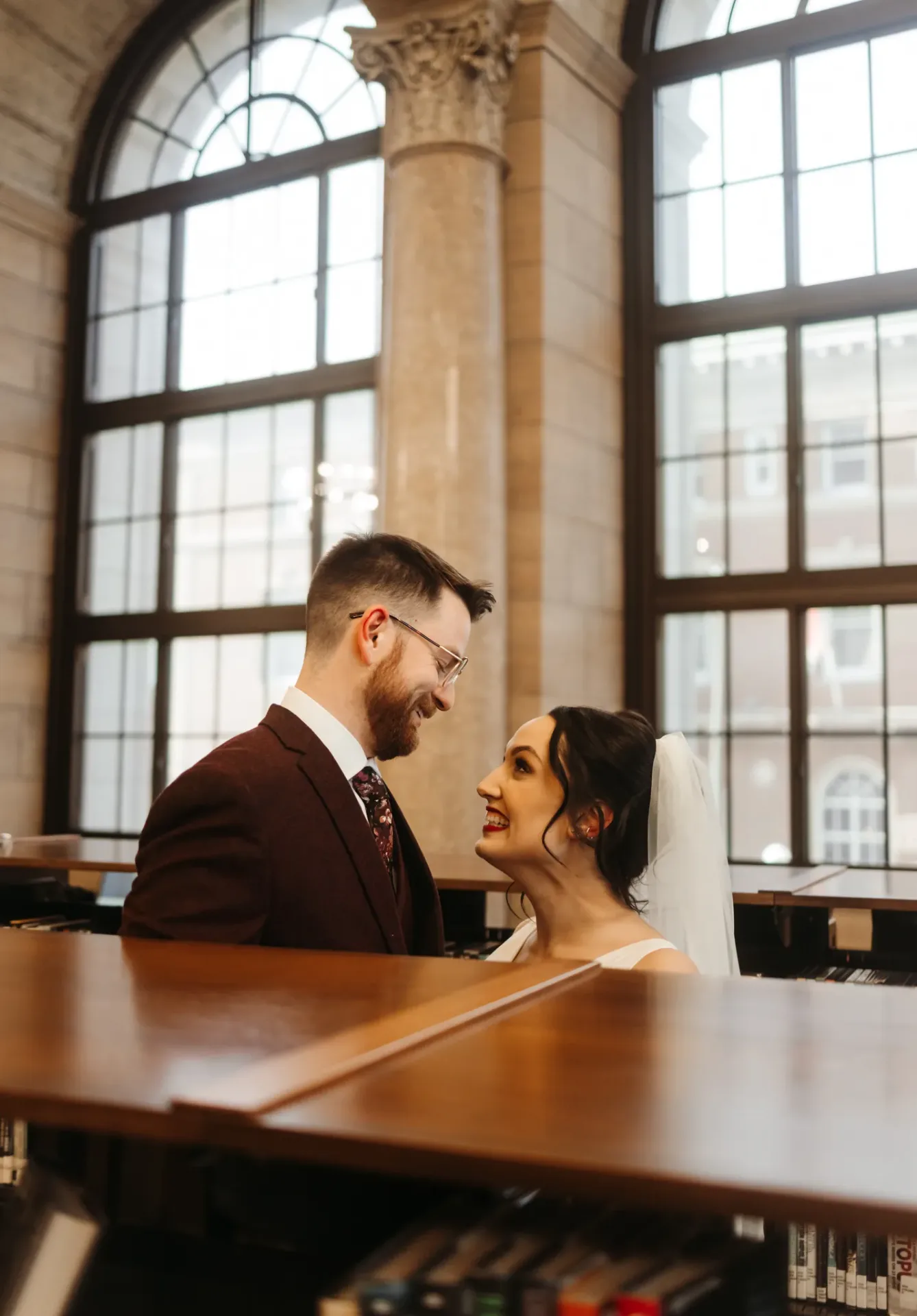
A boudoir session day is mostly waiting, talking and changing clothes, with a shooting block in the middle. Plan for a half-day if you have added hair and makeup, arrive with clean skin and clothes on hangers, and expect the first twenty minutes to be conversation rather than photographs.
People ask me for the running order more often than they ask about anything else, and I think it is because an unknown schedule is the part that keeps you awake the night before. So here is the whole day, block by block, with the decisions that belong in each one. Your confirmation email gives your real start and end times; the clock below is a sample, not a rule.
The night before and the morning of
The night before is for logistics, not preparation. Charge your phone, put the studio address and parking instructions somewhere you can find them without unlocking anything, and hang every outfit you are bringing rather than folding it into a bag. That last one is not fussiness. The Canadian Conservation Institute notes that repeated folding into sharp creases breaks the fibres and yarns along the fold, and a crease across a satin bodysuit shows up in a photograph as a hard white line.
On the morning of, keep it boring. Shower, dry your hair fully if an artist is styling it, and come with clean skin and no lotion if makeup is being done at the studio. Wear loose clothing on the drive so elastic marks have faded by the time you change. Eat something. Sessions run longer than people expect and low blood sugar reads on a face.
If you want the fuller pre-session runway, weeks rather than hours, that is all in my guide on how to prepare for a boudoir shoot. This post picks up at the door.
Arrival: the first twenty minutes
Arrive five or ten minutes early, not thirty. Studios are usually turning over a space and an early arrival means sitting in a car anyway. My studio has off-street parking, a private entrance and a discreet check-in, and the address goes out after booking rather than sitting on a public page.
The first twenty minutes are:
- Paperwork. Anything not signed in advance gets signed now. Read the model release separately from the contract. It is a different document and you can decline it without losing the session.
- Coverage level. This is the conversation where you say how much you want to wear, and it is your call, not a menu you are handed. Fully clothed sessions are normal and common.
- Wardrobe layout. Everything comes out of the bag and onto a rail so we can put the looks in an order that makes sense, usually easiest first.
- The room. Music, temperature, water, where you change, where your phone lives. Boring details that make the next two hours easier.
If there is anything you want kept out of frame, say it here. It is a normal request and it is far easier to plan around at the start than to correct later.
Hair and makeup, and how long to allow
Professional hair and makeup is an optional add-on at $150, and the honest scheduling advice is to allow about ninety minutes for both. It is the single biggest block in the day, it always runs longer than the number in your head, and it is the reason a session that shoots for an hour still takes most of a morning.
Two things to raise with the artist before they start, not during. Tell them about sensitivities and anything you react to, because the FDA lists fragrances, preservatives, dyes and metals among the most common cosmetic allergens and notes that reactions usually appear as itchy, red contact dermatitis. And do not bring a product you have never used to try on the day. If you have a real concern about a reaction, that is a conversation with your own clinician well before the session, not something to work out in a studio chair.
Bring two or three reference images for hair and makeup. Not a mood board, two or three pictures. It is a faster and more accurate brief than any adjective.
The shooting block, outfit by outfit
The camera comes out and almost nothing happens for the first few frames, which is by design. We start with whatever you feel most covered and most comfortable in, usually a robe or a shirt, and the first set exists mostly to get you used to being directed.
Direction is head to toe and constant: where your chin sits, where your weight is, what your hands are doing, where you are looking. You are not expected to know any of it. If you have never been photographed like this, my post on what a Minneapolis boudoir session actually looks like walks through the direction side in more detail.
Between looks, you change and I reset. In a window-light studio that reset is fast, because the light is already where it is; in a lit studio it takes longer. That difference is worth understanding before you book, and I covered it in natural light versus studio light for boudoir.
A practical note on outfits: steam or press them the day before, not at the studio. Check the care label first, because the FTC's Care Labeling Rule requires manufacturers to warn against procedures that would harm the garment, including ironing where heat would damage the fabric. A scorched strap ten minutes before a session is a genuinely bad start to a day.
Breaks, pauses and stopping
You can stop. Not as a policy line in a contract, as a thing that happens in ordinary sessions without anyone making it a moment. Ask for water, sit down, put the robe back on, change your mind about a look you packed, ask to see the back of the camera.
You can also stop entirely. A session that ends early because you have had enough is a finished session, not a failed one, and it does not create a dispute about the fee. If that possibility is what is making you hesitate, read how privacy and consent actually work in a boudoir session before you book rather than after.
Most people find the opposite happens: by the second outfit the self-consciousness has mostly gone, and the awkward part turns out to be the first ten minutes rather than the whole session.
A sample clock for a late-morning session
This is what a 10 a.m. arrival with hair and makeup looks like. Shift the whole block earlier in December, because Minneapolis gets under nine hours of daylight around the winter solstice, with sunset at 4:34 p.m., and a natural-light studio runs out of usable light in the middle of the afternoon.
| Time | What is happening | What you are doing |
|---|---|---|
| 9:50 | Arrival and parking | Park, breathe, bring everything in on hangers |
| 10:00 | Paperwork and wardrobe layout | Sign, choose coverage level, set the running order |
| 10:20 | Hair and makeup begins | Show references, flag sensitivities, sit still |
| 11:50 | First look | Robe or shirt, easy direction, warm up |
| 12:15 | Second and third looks | Change, drink water, reset |
| 12:50 | Last look and the frames you asked for | Anything specific you came for |
| 1:10 | Wrap and next steps | Change, confirm how images reach you |
Add roughly ninety minutes to the front if hair and makeup is included and subtract it if it is not. A session without styling is a much shorter day.
Wrap-up: what happens to the files
Before you leave, get three things straight. How the finished images reach you and where they live. Whether your gallery is password protected and who holds the password. And exactly what you have and have not agreed to let anyone else see.
On my end the answers are fixed: every delivered image is edited in both colour and black and white, the gallery is password protected and yours alone, and nothing is published anywhere without a separately signed model release. Declining the release changes nothing about what you receive. If you have signed one and change your mind later, say so, because that is a normal request too.
The one thing I would not do is leave the studio without knowing the timeline in writing. Ask for it, confirm it by email, and put it in your calendar. If the images are a gift with a deadline attached, say so at booking rather than at the wrap, and look at the bridal boudoir route if the deadline is a wedding. Everything else about what is included sits on the boudoir session page, and the quickest way to get your own clock for a specific date is to send me the date.
Frequently asked questions
How long does a boudoir session take from start to finish?
Plan on a half-day if hair and makeup is included, because styling alone runs about ninety minutes before anything is photographed. Without styling it is a much shorter visit: paperwork and wardrobe setup, the shooting block your booking confirms, and a short wrap. The shooting time itself is usually the smallest part of the day.
What should I wear to the studio on the day?
Something loose. Tight waistbands, bra straps and sock elastic leave marks that take a while to fade, and they are visible in photographs taken half an hour later. Loose trousers, a soft top and slip-on shoes are ideal. Bring your outfits on hangers in a garment bag rather than folded, so you are not fighting creases at the studio.
Can I bring someone with me to a boudoir session?
Ask when you book rather than arriving with a plus one. Some studios welcome a friend, some keep the room to the photographer and client only, and the answer changes the atmosphere of the day either way. If having someone there is what makes the session possible for you, say so early and make it part of the booking conversation.
What happens if I want to stop partway through?
You say so and the session stops. You can also pause, change into something more covered, skip a look you packed, or ask for a break without explaining why. None of that ends the booking or creates a fee argument. A session that finishes early because you were done is a complete session, and the images already made are still yours.
Do I have to decide my coverage level before the session?
No. It is decided at the studio, out loud, and you can change it in either direction at any point during the day. Fully clothed sessions in a shirt, a knit or a slip are completely normal and are a large share of what gets booked. Nobody should be steering that decision except you.
Sources
Related Service
Considering a boudoir session?
A private, female-led studio in Minneapolis. Wardrobe guidance, posing direction, and a calm pace from start to finish.
Ready to Book Your Session?
I'd love to hear about your wedding day or creative project. Let's make something beautiful together.
Keep Reading