How to Elope in Minnesota: A Photographer's Guide

I photograph a handful of elopements every year and they are consistently the least stressful, most emotional days on my calendar. Minnesota is an easy state to elope in once you understand the license process and the permit rules. Here is the whole thing.
Eloping in Minnesota requires an in-person marriage license from any county courthouse (valid statewide), an authorized officiant, and two witnesses aged 16 or older; popular locations include the North Shore, Twin Cities metro parks, and the St. Croix bluffs, with late September to mid-October offering the best color and weather.
Step 1: The marriage license
You apply in person at any Minnesota county courthouse, and the license is valid statewide, not just in the county that issued it. Both of you generally need to appear with photo ID. There is a fee, and Minnesota offers a reduced fee if you complete qualifying premarital education. The license is valid for six months and there is no statewide waiting period, meaning you can typically marry the same day you receive it. Fees and requirements change, so confirm the current details with the county you plan to apply in.
You need an officiant authorized in Minnesota and two witnesses who are at least 16. If you are eloping with nobody present, your photographer and one other person can serve as witnesses; I have signed several.
Step 2: Choose the location and check the permit rules
This is the part people get wrong. Minnesota State Parks require a permit for wedding ceremonies and have group-size limits per site. Regional parks in the Twin Cities metro have their own reservation systems. National forest and Boundary Waters areas have separate rules. City parks vary widely. Always check the specific managing agency before you plan around a spot.
North Shore and Lake Superior
Tettegouche, Split Rock, Gooseberry Falls, Palisade Head, and the shoreline around Grand Marais. The most requested elopement region in the state, and the most dramatic. Permits required in state parks.
Twin Cities metro
Minnehaha Falls, Hidden Falls, Como Conservatory, Lebanon Hills, Afton State Park, and the St. Croix bluffs. Convenient, and you can be married by 10:00 AM and at brunch by noon.
St. Croix Valley and river bluffs
Stillwater, Afton, Prescott, and the Hastings area put you on limestone bluffs above the river without leaving the metro's edge. Peak fall color in the second week of October.
Northwoods and lakes
Ely, the Brainerd Lakes, Itasca State Park, and family cabins across the north. Best for couples who want the elopement to be a several-day trip.
Step 3: Pick the season honestly
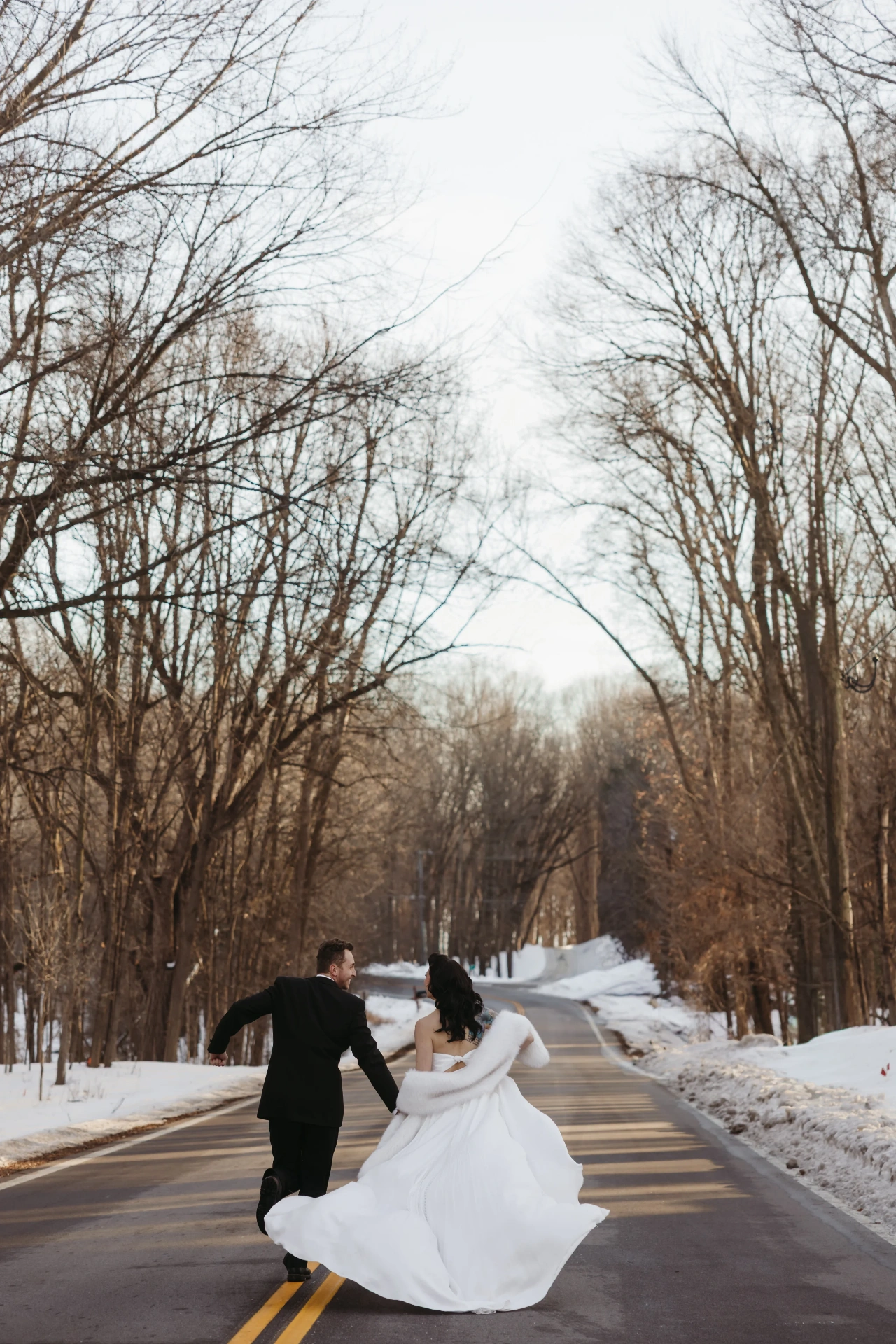
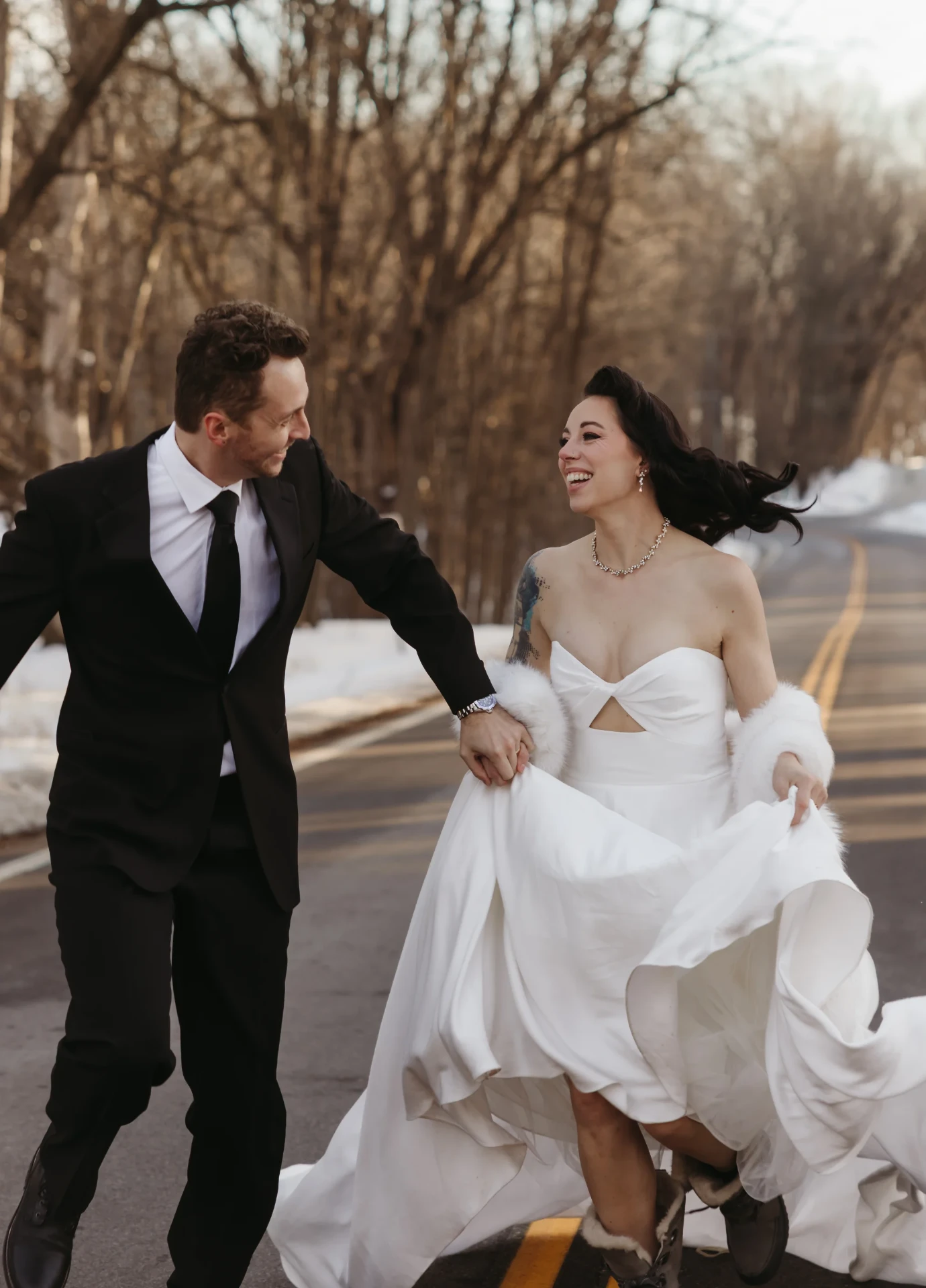
Late September to mid-October is the best all-around window: color, comfortable temperatures, and low bug pressure. June through August gives you long days and 8:45 PM sunsets, with mosquitoes near water at dusk. January and February produce the most striking images in the state if you can handle 15-minute outdoor windows and plan a warm interior for the rest. April and May are unpredictable and the landscape is brown until mid-May.
What time should you elope?
Sunrise or the last 90 minutes before sunset. Sunrise ceremonies on the North Shore are extraordinary and you will have the location entirely to yourselves. Evening ceremonies are easier logistically and let you build a dinner into the day.
A sample elopement day timeline
- 7:00 AM — Getting ready, coffee, letters or private vows read separately. Detail photos.
- 8:30 AM — First look at the lodging or a nearby overlook.
- 9:15 AM — Drive to the ceremony site.
- 10:00 AM — Ceremony, 15 to 20 minutes, personal vows.
- 10:30 AM — Portraits, moving between two or three spots within walking distance.
- 12:00 PM — Celebration meal, picnic or restaurant.
- Optional evening — a second short portrait session at sunset in different light.
Four to six hours of coverage handles this comfortably. A full-day elopement with travel between regions needs eight.
What to spend money on
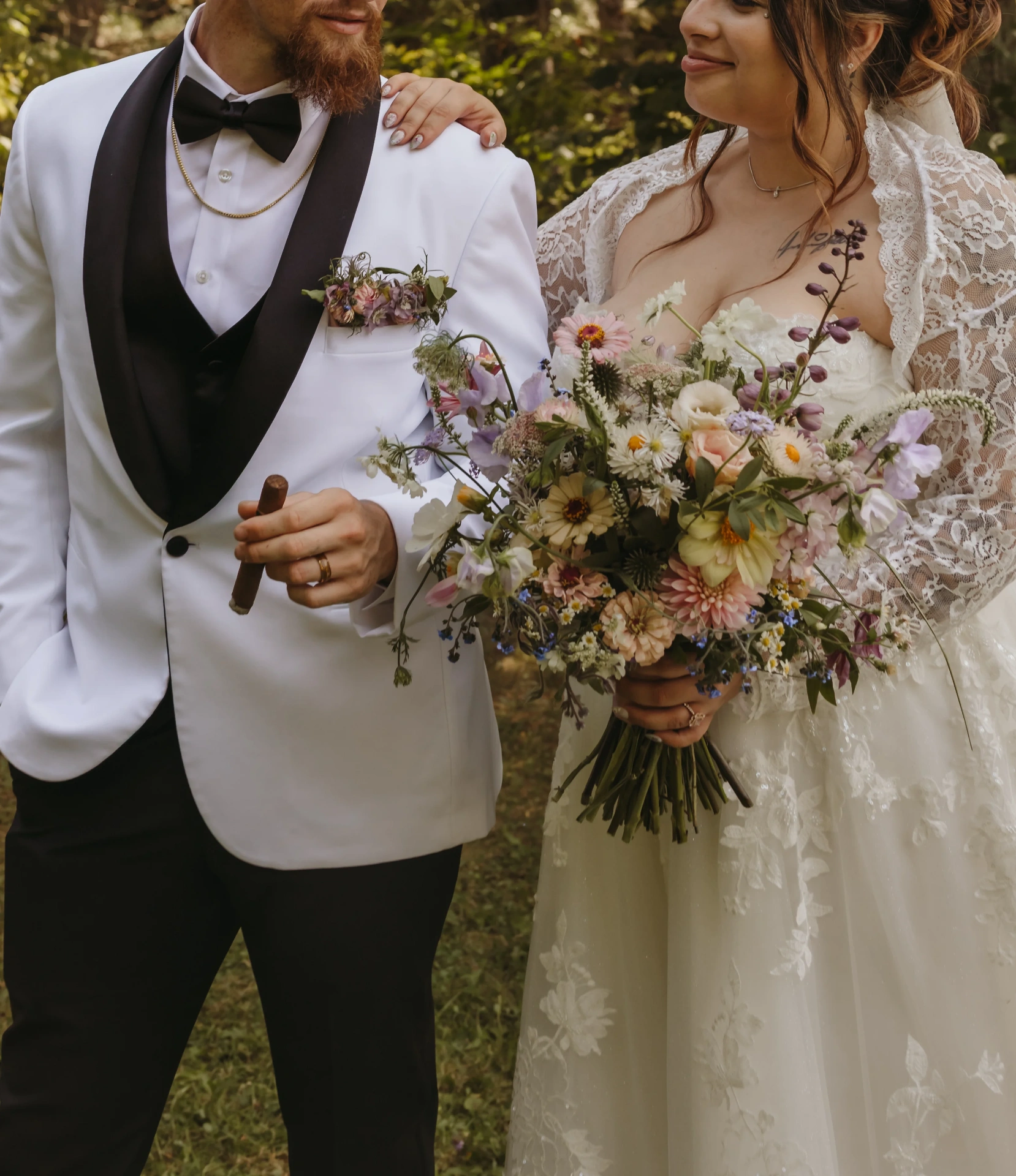
With no guest list, the budget shifts entirely. Couples I work with put it toward photography, a genuinely good dinner, flowers that look like the landscape, and lodging with a view. That combination produces a better day than a 150-person reception at three times the cost, which is exactly why elopements keep growing.
Frequently asked questions
Is it legal to elope in Minnesota with no guests?
You need an authorized officiant and two witnesses aged 16 or older. If no family is attending, your photographer and one other person can sign as witnesses, which is common at elopements.
How much does it cost to elope in Minnesota?
The license fee plus an officiant is the legal minimum and totals a few hundred dollars. Most couples spend meaningfully more on photography, lodging, flowers, and a celebration meal, and still land far below the cost of a traditional wedding.
Do you need a permit to get married in a Minnesota state park?
Yes. Minnesota State Parks require a ceremony permit and enforce group-size limits at each site. Apply as early as the park allows, especially for North Shore locations in fall.
What is the best place to elope in Minnesota?
The North Shore between Two Harbors and Grand Marais for drama, the St. Croix bluffs for fall color close to the metro, and Minnehaha Falls or Como Conservatory for a same-day metro elopement. Season matters as much as location.
I photograph elopements across Minnesota and western Wisconsin. See the elopement page for coverage options, or tell me where you want to stand.
Elopement vs. micro wedding: how to decide
An elopement usually means just the two of you, plus your photographer and maybe one or two witnesses. A micro wedding keeps that same intimate feeling but folds in close family — think a small circle of close family instead of no one at all. If you're torn, ask yourselves whether the day is about a private, unscripted experience between the two of you, or whether you want a handful of the people closest to you physically present when you say your vows. Neither is more real than the other; they're different days built for different priorities.
What to pack for a Minnesota elopement
What you bring changes with the season more than with the location. Summer elopements near water call for sun protection and bug spray, since mosquito pressure peaks right at dusk — exactly when the light is best. Shoulder-season mornings on the North Shore run cold even when the afternoon warms up, so a warm layer you can shed for photos matters more than a heavier coat you're stuck wearing all day. Anywhere with rock scrambling — Palisade Head, the shoreline near Split Rock — calls for real footwear, not the shoes you're getting married in.
A few practical items matter regardless of season: something to eat and drink right after the ceremony, since there's no reception keeping you fed; a printed backup of your vows in case a phone dies or gets wet; and a charger or battery pack if your ceremony involves any electronics at all.
Choosing your witnesses
Minnesota requires two witnesses at least 16 years old, and they don't need to be anyone specific — if no family is attending, your photographer and one other person can sign. Decide this early, not day-of, so whoever is witnessing knows to bring ID and understands they're part of the legal ceremony, not just a guest. If you do want a small number of loved ones present, loop them into the timeline the same way you would a wedding party: where to stand, when to arrive, and what happens right after the vows.
Related Service
Planning an elopement or micro wedding?
Intimate ceremonies, courthouse weddings, and North Shore adventures — photographed with the same care as a full wedding day.
Related Guides
Keep planning with these guides
- Duluth Wedding Photography Guide
The most requested elopement region in the state.
- Minneapolis Courthouse Wedding Photography
The same-day metro version of eloping.
- Small Wedding Venues in Minnesota
If you want a few guests after all.
Ready to Book Your Session?
I'd love to hear about your wedding day or creative project. Let's make something beautiful together.
Keep Reading

