Backyard Weddings in Minnesota: Permits, Tents, Noise
A backyard wedding on private land is not licence-free. Three things usually need a permit: the tent, the amplified music, and anything with an open flame. The rules are municipal, so they change at the city line, and the two that end receptions early are the tent permit and the noise ordinance hours.
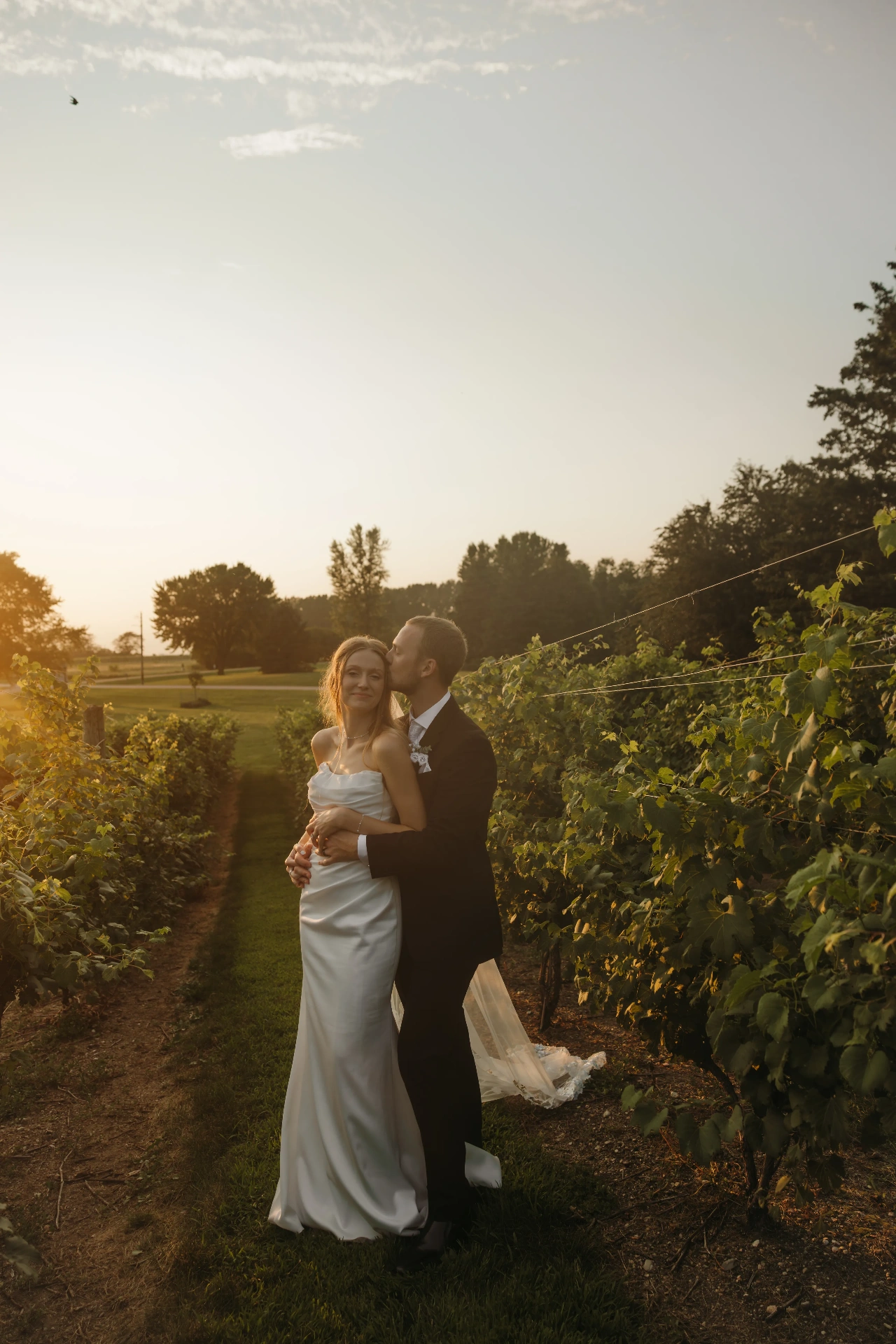
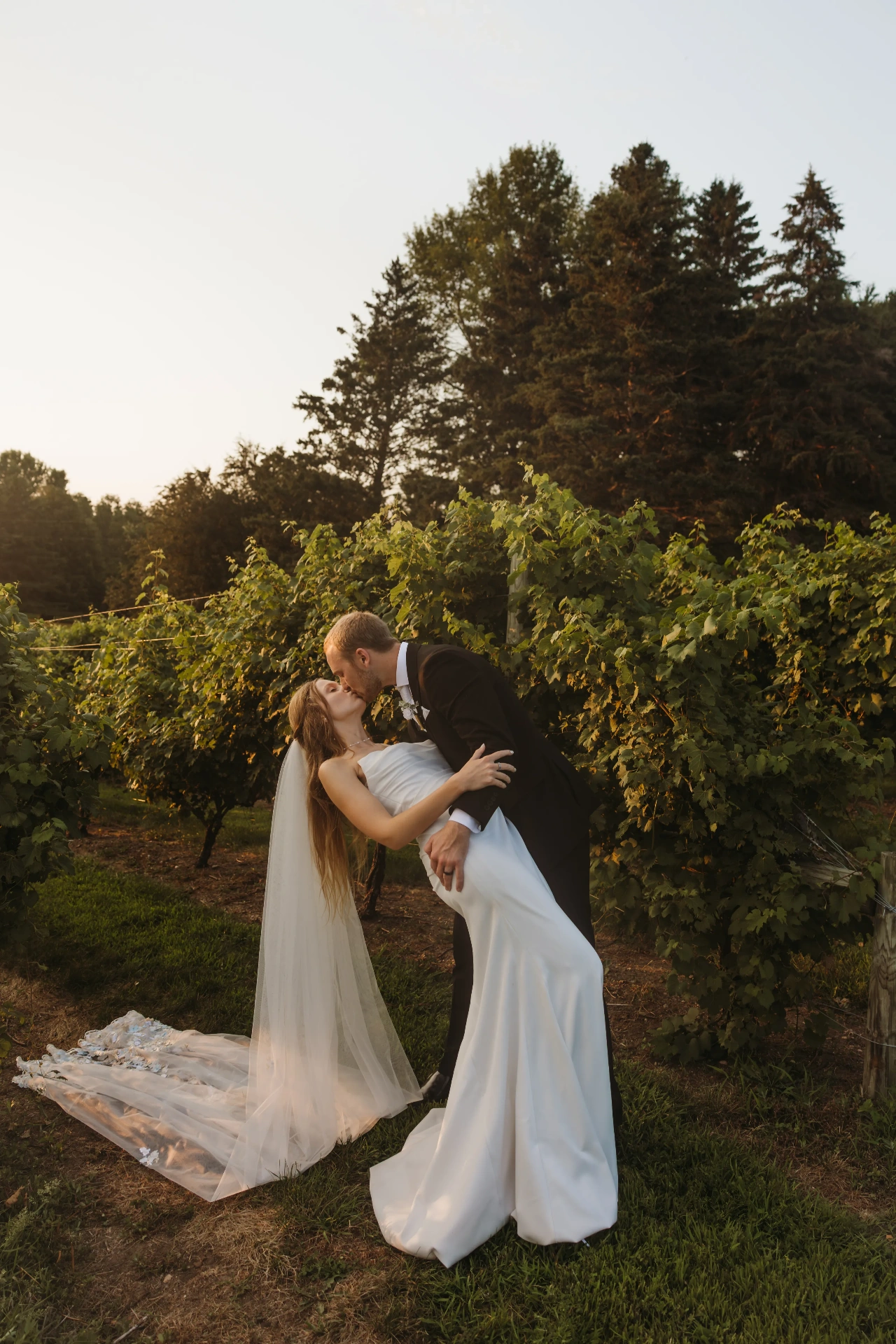
I have set out below what Minneapolis, Saint Paul and one suburb actually publish, because the differences are large enough that a Minneapolis checklist will mislead you in Bloomington. Verify your own address with your city, because ordinances change and mine is not the office that issues the permit. If the backyard is the whole plan, my backyard wedding page covers how I shoot one.
Do you need a permit for a wedding in your own backyard?
For the gathering itself, usually not. For the equipment you bring in, usually yes. Minneapolis publishes a long list of special and temporary event permits that includes tents, bleachers and stages, bonfires and open flames, propane, and an outdoor sound permit for using sound-amplifying equipment outside. Saint Paul's plan an event guidance lists the same family of permits for private residential property: temporary structures, electrical permits for generators, temporary propane permits over 100 pounds, amplified sound permits and temporary sign permits.
The honest summary is that a 40-person ceremony with a ground-level arbour, acoustic guitar and food from the kitchen probably needs nothing. A 120-person reception with a 40-by-60 tent, a generator, a DJ and a fire pit needs four or five separate applications from at least two departments.
Tent permits: what each city requires
Minneapolis requires a permit to set up a tent, canopy or membrane structure for any purpose, and the permit type depends on duration: a building permit if it stands 180 days or more, a special event permit if less. The city points to Minnesota State Building Code section 3101 and Minnesota State Fire Code chapter 31 as the governing standards, and warns that electrical, mechanical, plumbing or temporary use permits may be needed depending on what is inside the tent.
Saint Paul sets a size threshold instead. Saint Paul requires a tent or canopy permit for canopies, meaning a top with one side, greater than 400 square feet, and tents, meaning a top with two or more sides, greater than 200 square feet. A 20-by-20 tent is 400 square feet, so a single standard rental tent already clears the Saint Paul line.
Then there is the fire side. Minneapolis requires a fire special event permit for tents and canopies as well as bonfires, open flames in crowds, temporary propane and firework displays, and says to submit at least 15 business days before the event. Fifteen business days is three weeks of calendar. Put it on the planning timeline next to the final headcount, not next to the week-of tasks.
Ask the rental company, but verify
Good tent companies pull permits routinely and will tell you which ones they handle. That does not transfer responsibility for the site. Staking, underground utilities, setback from the house and the anchoring plan are all things the inspector looks at, and a tent on a small city lot sometimes fails on clearance rather than paperwork. If the tent is going up regardless, my notes on building a Minnesota rain plan cover how to make it the fallback rather than the whole reception.
Noise: the ordinance hours that end your reception
This is where cities diverge most, and it is the rule your neighbours will enforce.
| City | What is published |
|---|---|
| Minneapolis | Outdoor amplified sound is allowed Monday to Saturday 7:00 a.m. to 10:00 p.m., and on Sunday until 9:00 p.m., extending to 10:00 p.m. only if the location is not within 500 feet of a residential building or church. Permits reference chapter 389.105 for sound measurement. |
| Saint Paul | Sound level limits under ordinance 293.07 are 65 dBA from 7:00 a.m. to 10:00 p.m. and 55 dBA from 10:00 p.m. to 7:00 a.m. in residential and mixed-use districts. |
| Bloomington | Quiet hours are 10 p.m. to 7 a.m., with residential limits of 60 dBA by day and 50 dBA at night, under City Code section 10.29.02. |
Minneapolis issues three types of outdoor amplified sound permit, and one of them is a small event permit for residential events. The application requires written notice to adjacent properties and to properties within a 300-foot radius, and a copy of those notices has to go in with the application. That requirement is a gift in disguise: the neighbours who got a letter are the neighbours who do not ring the police at 9:40.
Saint Paul's amplified sound permit lets sound run 7:00 a.m. to 10:00 p.m. Sunday through Thursday and 7:00 a.m. to 11:00 p.m. Friday and Saturday, capped at 80 decibels measured 50 feet from the source in residential areas and 90 decibels elsewhere. It limits permits for one property to 12 hours in a day, 24 in any seven days and 36 in any 28 days. Applications must be in 14 calendar days ahead, and the page says late applications are denied. The fee is $138. If your event needs to run louder or later than that, Saint Paul says to apply for a sound level variance instead.
Bloomington publishes quiet hours of 10 p.m. to 7 a.m. and points to City Code section 10.29.02, with residential limits of 60 dBA during the day and 50 dBA at night. Saint Paul's own explainer sets its residential limits at 65 dBA from 7 a.m. to 10 p.m. and 55 dBA overnight under section 293.07. Those are different numbers in cities ten miles apart, which is exactly why you check your own address.
What do the hours mean for the actual schedule?
Work backwards from the earliest cut-off that applies to you, then subtract. A 10 p.m. amplified-sound end means last dance at about 9:40, speeches finished by 8:30, and dinner served no later than 7:00. In June, sunset in the Twin Cities falls late enough that a 6:30 ceremony still gives usable portrait light; in late September it does not. My Minnesota wedding day timeline template shows the version of that maths I use, and the Minneapolis timeline guide covers how the ceremony hour sets everything downstream.
Acoustic music and unamplified speeches sit outside the amplified sound permit in most cities, which is one reason a backyard reception often ends with the PA off and the party continuing quietly. That is a legitimate plan, not a defeat.
Parking, guests and the neighbours
Nothing sinks goodwill faster than 60 cars on a residential street. On-street parking is governed by your city's ordinary rules, not by your event, so check posted restrictions, snow-emergency routes and permit-parking zones for your block before you send directions. For anything over roughly 60 guests I would arrange off-street parking or a shuttle rather than hoping.
The practical courtesies also matter: tell the immediate neighbours the date and the end time in writing, give them a mobile number, and mean it. Minneapolis already requires written notice within 300 feet for an amplified sound permit, which is a sensible standard to copy even where it is not required.
Alcohol, caterers and open flame
A private wedding where nobody sells drinks is a different animal from a licensed bar, but the moment money changes hands for alcohol you are in licensing territory and should talk to your city clerk. Caterers bring their own requirements, and many venues and cities ask for proof of their licensing and insurance. My post on wedding insurance in Minnesota covers the liability side and what host liquor cover is.
Open flame is the one people forget. Minneapolis lists bonfires, controlled burns, open flames in crowds and temporary propane under the same fire special event permit as tents, with the same 15-business-day lead time. A patio heater bank, a fire pit and a propane-fired catering line all belong on that form. Sparklers have their own rules statewide, and they are stricter than most couples expect.
What I would settle before you commit the date
- Ring your city's inspections or licensing desk and ask which permits a residential wedding of your size needs. Get the answer in an email.
- Confirm the amplified-sound cut-off for your address, then build the timeline backwards from it.
- Ask the tent company in writing which permits they pull and which are yours.
- Diary the lead times: 15 business days for a Minneapolis fire special event permit, 14 calendar days for a Saint Paul amplified sound permit.
- Decide the rain plan. On a private lot the answer is usually a bigger tent, which pushes you straight back into the permit question.
- Sort parking and write the neighbour note.
Done in that order, a backyard wedding is one of the better days there is to photograph: no venue coordinator moving you along, no hard end time imposed by a hall. If you are weighing it against a small venue, small wedding venues in Minnesota is a fair comparison, and my micro wedding page covers the size where permits mostly stop mattering. For the legal pieces that apply wherever you marry, see how to get a Minnesota marriage licence. I work across the metro as a Twin Cities wedding photographer, including Bloomington and Saint Paul.
Frequently asked questions
Do I need a permit for a tent at a backyard wedding in Minneapolis?
Yes. Minneapolis requires a permit to set up a tent, canopy or membrane structure for any purpose. A tent standing less than 180 days needs a special event permit rather than a building permit, and must comply with Minnesota State Building Code section 3101 and Minnesota State Fire Code chapter 31. Extra permits may apply for electrical, mechanical or plumbing work inside it.
How big does a tent have to be before Saint Paul requires a permit?
Saint Paul requires a tent or canopy permit for canopies, defined as a top with one side, greater than 400 square feet, and for tents, defined as a top with two or more sides, greater than 200 square feet. A standard 20-by-20 rental tent is 400 square feet, so most weddings that rent a tent at all will cross the threshold.
What time does music have to stop at a backyard wedding?
It depends on the city. Minneapolis allows outdoor amplified sound Monday to Saturday until 10 p.m. and Sunday until 9 p.m., extending to 10 p.m. only outside 500 feet of a residential building or church. Saint Paul permits allow 10 p.m. Sunday to Thursday and 11 p.m. Friday and Saturday. Bloomington's quiet hours begin at 10 p.m.
Do I need an amplified sound permit for a private residential wedding?
Often yes, if the sound would exceed the city's normal limits. Minneapolis issues a small event permit for residential events and requires written notice to adjacent properties and everything within 300 feet. Saint Paul issues a residential amplified sound permit, requires the application 14 calendar days in advance and charges a fee published on its permit page.
How far ahead do I need to apply for backyard wedding permits?
Plan on three to four weeks minimum. Minneapolis asks for fire special event permit applications at least 15 business days before the event, which is about three calendar weeks. Saint Paul requires amplified sound permit applications 14 calendar days ahead and states that late applications are denied. Tent and electrical permits should go in at the same time.
Sources
- City of Minneapolis: Tent Permit
- City of Minneapolis: Fire Special Event Permit
- City of Minneapolis: Outdoor Amplified Sound
- City of Minneapolis: Special & Temporary Events
- City of Saint Paul: Plan an Event
- City of Saint Paul: Amplified Sound Permits
- City of Saint Paul: Noise and sound-level limits in Saint Paul
- City of Bloomington: Environmental Health, Other Information
Related Service
Looking for the perfect Twin Cities venue?
Real venue reviews from a photographer who's worked them — Hutton House, Machine Shop, Nicollet Island, and more.
Ready to Book Your Session?
I'd love to hear about your wedding day or creative project. Let's make something beautiful together.
Keep Reading